Personal, Social, Health Education (PSHE)
Intent
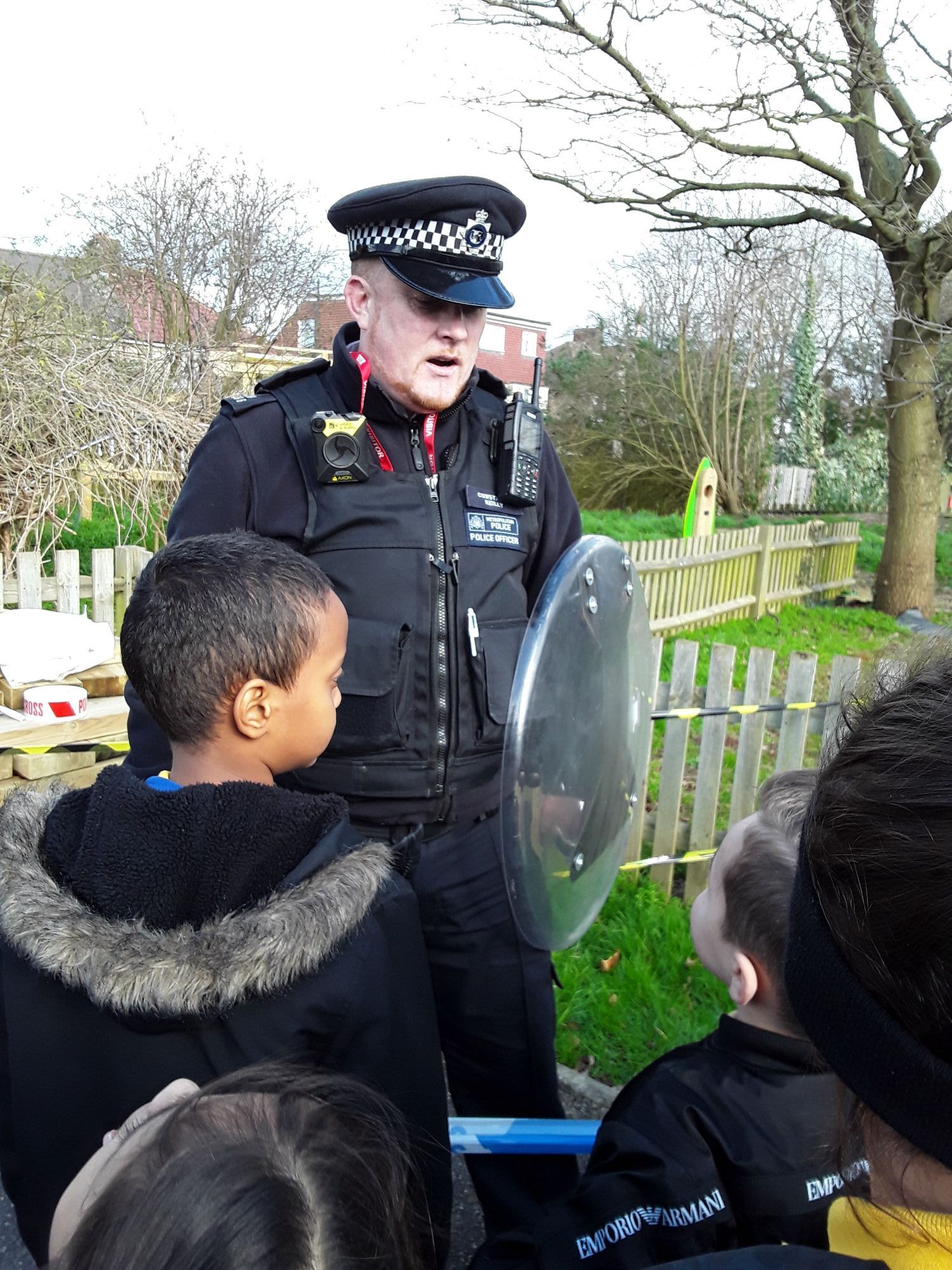
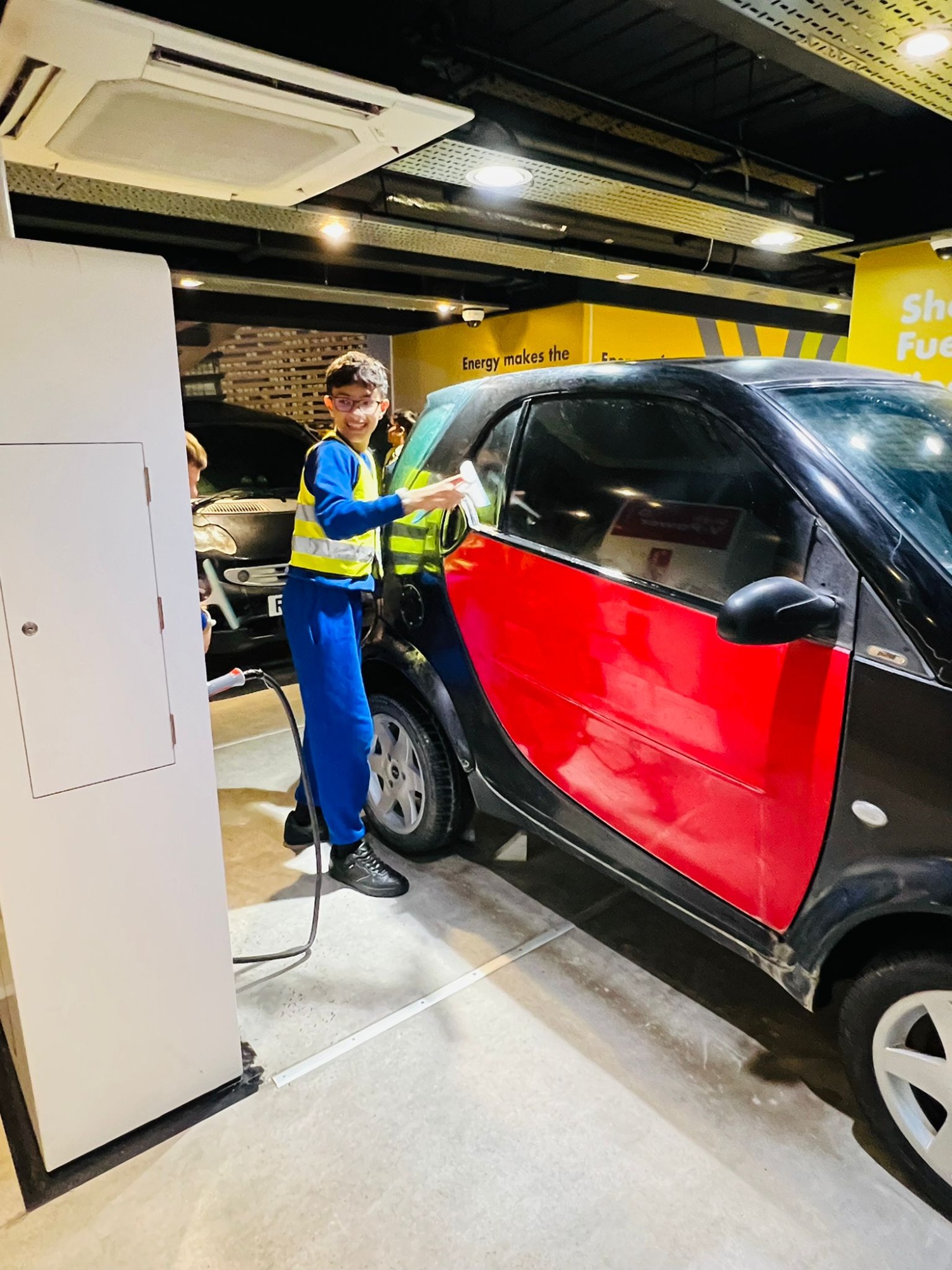
At Earlsmead, we help all children to have the knowledge, skills and values to become healthy, independent and responsible citizens in modern society. We help them understand how they are developing personally and socially, and tackle many of the moral, social and cultural issues that are part of growing up. We provide our children with opportunities to learn about rights, respect and responsibilities, and appreciate what it means to be a member of a diverse society. It also introduces them to some of the principles of financial planning and understanding. All our children are encouraged to develop their sense of self-worth by playing a positive role in contributing to school-life and the wider community through real and life like experiences, particularly those that reflect our local area. This is because we adapt and develop our curriculum to meet the diverse needs within the school.
Implementation
PSHE is taught weekly with additional activities such as Green Days to raise awareness of mental health, anti-bullying week, careers day and charity days. PSHE is taught by the class teachers as they develop a supporting and trusting relationship with the children.
We use the SCARF scheme of work whose whole-school approach is coherently sequenced to support us in promoting positive behaviour, mental health, wellbeing, resilience and achievement, and makes meaningful links with the real world whilst revisiting key learning regularly. However we also adapt the curriculum to reflect local and national issues when they arise.
The following topics are covered yearly: me and my relationships, valuing differences, keeping safe, rights and respect, being my best and growing and changing.
Within these topics, the pupils are taught the following skills:
1. Communication, including how to manage changing relationships and emotions.
2. Recognising and assessing potential risks.
3. Assertiveness.
4. Seeking help and support when required.
5. Informed decision-making.
6. Self-respect and empathy for others.
7. Recognising and maximising a healthy lifestyle.
8. Managing conflict.
9. Discussion and group work.
Please see the curriculum maps for each year group at the bottom of this page.
Impact
Ofsted 2020
"Pupils at Earlsmead Primary School are happy and safe. They told us that bullying does not happen at school. However, they did say that if there was any meanness between pupils that they knew that adults would support them to sort it out. Pupils told us that they liked coming to school because everyone is kind. Pupils were able to tell us about the importance of resilience and the recent mental health day."
Assessment in PSHE is not about levels or grades. Much like an athlete, we measure from their starting point to where they are now. We do this by using pre and post topic tasks which gives a baseline from which to monitor progress, record key points and develop next steps. Where the units develop their attributes and interpersonal skills, growth in these areas are reflected in their day to day behaviours and celebrated during achievement assemblies.